
THE PREMIER ADU/TINY HOME
DESIGN BUILD FIRM
NEST OFFERS TURNKEY HOUSING SOLUTIONS FOR THOSE NEEDING ADDITIONAL SPACE FOR LOVED ONES, RENTAL INCOME, AND THOSE LOOKING TO STRENGTHEN THEIR COMMUNITY.
THE PREMIER ADU/TINY HOME
DESIGN BUILD FIRM
NEST OFFERS TURNKEY HOUSING SOLUTIONS FOR THOSE NEEDING ADDITIONAL SPACE FOR LOVED ONES, RENTAL INCOME, AND THOSE LOOKING TO STRENGTHEN THEIR COMMUNITY.
THE PREMIER ADU/TINY HOME
DESIGN BUILD FIRM
NEST OFFERS TURNKEY HOUSING SOLUTIONS FOR THOSE NEEDING ADDITIONAL SPACE FOR LOVED ONES, RENTAL INCOME, AND THOSE LOOKING TO STRENGTHEN THEIR COMMUNITY.
THE PREMIER ADU/TINY HOME DESIGN BUILD FIRM
NEST OFFERS TURNKEY HOUSING SOLUTIONS FOR THOSE NEEDING ADDITIONAL SPACE FOR LOVED ONES, RENTAL INCOME, AND THOSE LOOKING TO STRENGTHEN THEIR COMMUNITY.
THE PREMIER ADU/TINY HOME DESIGN BUILD FIRM
NEST OFFERS TURNKEY HOUSING SOLUTIONS FOR THOSE NEEDING ADDITIONAL SPACE FOR LOVED ONES, RENTAL INCOME, AND THOSE LOOKING TO STRENGTHEN THEIR COMMUNITY.
Type in Your Address to See a Tiny Home on Your Property Today!
Our Services
Every property and client’s needs are different. At Nest, we’re able to tailor our designs and project types to fit your needs.

Detached ADU
Maximize your property with a custom detached ADU perfect for rental income, guests, family, or a home office. We handle everything from concept to completion.

Attached ADU
An attached ADU expands your home with seamless living space for family, guests, or rental income.

Garage Conversion
Convert your garage into functional living space designed for bedrooms, offices, or entertainment.

Garages
Nest Tiny Homes designs and builds custom garages that add value and functionality to your home.

Pool Houses
A Nest Tiny Homes pool house adds comfort and resort-style luxury to your backyard, offering flexible space for changing, entertaining, or hosting guests year-round.

Offices
Custom-designed home offices tailored for productivity, creativity, and business needs.
Send Us a Note,
We’d Love to Hear from You
Our Process
Our Process
At Nest Tiny Homes, we help you build the perfect ADU for your needs, whether it be for aging parents or rental income, with an easy, streamlined process from start to finish.
STEP 1
SCHEDULE YOUR DISCOVERY CALL
Schedule a discovery call with one of our ADU Utah or ADU California specialists. Doing an ADU is a big commitment! During this time, you can ask questions, go over your general needs and requirements, review floorplans, budget, and make sure that Nest will be the best fit for you and your family.
STEP 2
SITE ASSESSMENT
AND FEASABILITY
Once you and your ADU specialist are on the same page with your goals, they will schedule an in-person site visit to look at your property. There are many things that could make or break an ADU project before design even starts – we want to make sure that prior to starting design, your project will be possible. While on site, we will review planning and zoning requirements, residential building setbacks, potential hardscape/landscape challenges, utility runs, and site access. After this site assessment, your specialist will be able to provide you with a full quote (or multiple quotes) that show what plan you chose, where it will be on your property, and how utilities will be ran. These quotes will coincide with what your municipality will allow.
STEP 3
FINANCING
If you’re paying cash or have financing figured out, feel free to move onto step number 4. For most people, buying an ADU Utah or ADU California will be the second most expensive investment in their life (after a home). There are a few different financial vehicles that make these projects a reality, like home equity lines of credit, construction loans, or second mortgages to name a few. Your specialist will work hand in hand with you and one of our lending partners to determine what financial vehicle best suits your needs and situation.
STEP 4
DESIGN AND ENGINEERING
Our in-house architect will hold an initial design consultation with you and the decision maker(s). Here, we review layout, elevations, site plan, and make any changes needed to your chosen ADU Utah or ADU California design. Once you give approval on the architectural set, your drawings will be sent to our engineering team. The engineers will produce your structural drawings (framing plan, truss layout, foundation plan), structural calculations, and if necessary civil drawings (drainage and grading plans).
STEP 5
PERMITTING
Once we have complete approval from you, we submit our drawings to the municipality we will be building in. Each municipality has vastly different ADU permit requirements. Our pre-construction manager works with our permit processing team, Permit Flow, to compile and submit documents like owner’s affidavits, geotechnical reports, gas line diagrams, and rechecks. It’s our goal to always get an approval on our first round of submissions, but municipalities usually have corrections which we proactively complete and resubmit as soon as possible. Our pre-construction manager will call weekly to check in with the different departments responsible for reviewing to make sure the ball keeps rolling.
STEP 6
INTERIOR DESIGN AND
COLOR SELECTIONS
During permitting you will be given a finish selections packet. During this step, you’ll pick out your interior and exterior paint colors, flooring type, plumbing fixtures, decorative lighting, etc. We encourage our clients to have these selections finalized by the time we finish pouring concrete so there are no delays with material deliveries at the end of your ADU Utah or ADU California project.
STEP 7
CONSTRUCTION
Our construction team shoots to start construction on projects within 3 weeks of permit issuance. When that permit is issued, we schedule a pre-construction meeting with you to review material staging locations, sub-contractor access, working hours, restroom and dumpster locations, or any other questions and concerns you might have. Construction can be messy and confusing – we make a point to over communicate at the start, so expectations are set clear and we are as least intrusive as possible. Generally, our ADU’s are built in about 4 months starting with concrete, then framing, exterior dry in, MEP rough in, drywall, finishes, trim out, and punch. Throughout this process you will receive weekly schedule updates from your project manager and have a dedicated superintendent on the ground to ensure your project is running smooth and work is being done to our standards.
STEP 08
CLOSEOUT AND WARRANTY
Once we pass our final inspection, we do a final walkthrough with our clients. On the final walkthrough, we review any remaining punch list items, ensure all of your appliances work (and that you know how to use them). We want to ensure that you love your space, you’re pleased with the craftsmanship, and that you’re ready to be handed the keys. Once final payment is received, you’ll get a closeout packet that will include your warranty information, owners manuals, as built drawings, and our warranty contact person info if you ever need it. And if you’re ok with showing off your new ADU Utah or ADU California, we love to take professionally done real estate photos and hold an open house!
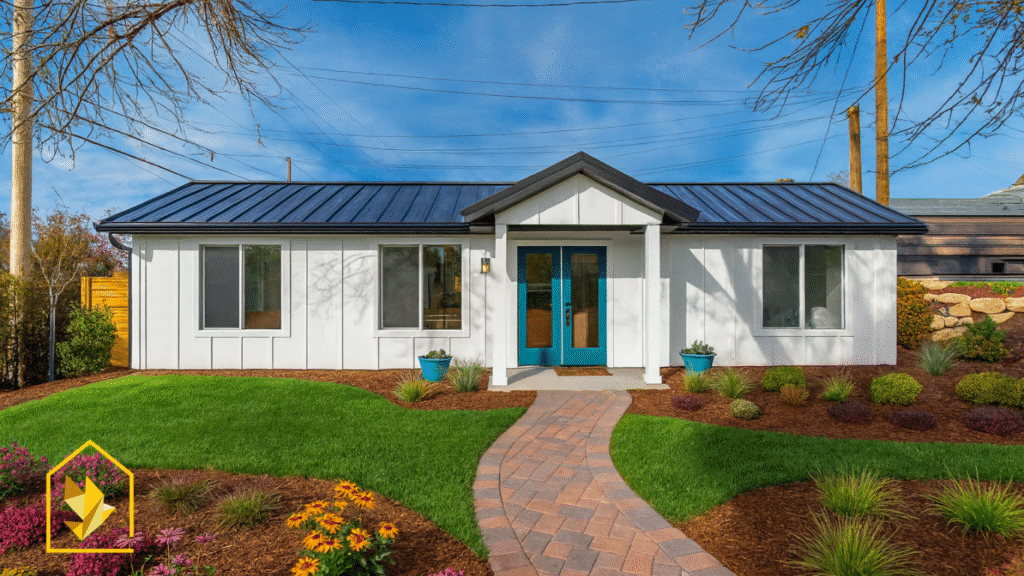
Our Latest Project
Why Choose Nest Tiny Homes
Many contractors, especially in the residential space, get a bad wrap – and for good reason. Delayed schedules, non-transparent pricing or budgeting, and dishonesty can absolutely derail a construction project. For most of our clients, their ADU Utah or ADU California is the second most expensive investment they’ll make. We take pride in ensuring they are taken care of every step of the way and that this process is an enjoyable one, not a nightmare.
1. Industry experience – ADUs are a new concept. While California was the first state to allow them, they’ve only been made legal in other states for a few years. Nest was one of the first companies in the game. We have proven and refined our process through dozens of successful projects and happy clients. Every member of the construction team has over 10 years of industry experience that has translated seamlessly into this awesome new product type.
2. Tailored designs – Our pre-designed plans can fit any lot and meet any client’s needs. Our design and construction method allows you to customize your plan so it is a perfect fit for you and your family.
3. Transparent pricing – Our client agreements map out exactly what you’re paying for and when you’ll have to pay for it. We don’t take large deposits, and you only pay us once we’ve provided you with what is in our agreement.
4. Excellent communication – Our project managers and superintendents do our best to overcommunicate. You will receive weekly (at minimum) updates from your dedicated project manager through every step of the process.
5. Beautiful projects – Your ADU will be thoughtfully designed, beautiful, and built durable enough to be used and enjoyed for generations.

1. Industry experience – ADUs are a new concept. While California was the first state to allow them, they’ve only been made legal in other states for a few years. Nest was one of the first companies in the game. We have proven and refined our process through dozens of successful projects and happy clients. Every member of the construction team has over 10 years of industry experience that has translated seamlessly into this awesome new product type.
2. Tailored designs – Our pre-designed plans can fit any lot and meet any client’s needs. Our design and construction method allows you to customize your plan so it is a perfect fit for you and your family.
3. Transparent pricing – Our client agreements map out exactly what you’re paying for and when you’ll have to pay for it. We don’t take large deposits, and you only pay us once we’ve provided you with what is in our agreement.
4. Excellent communication – Our project managers and superintendents do our best to overcommunicate. You will receive weekly (at minimum) updates from your dedicated project manager through every step of the process.
5. Beautiful projects – Your ADU will be thoughtfully designed, beautiful, and built durable enough to be used and enjoyed for generations.
We are dedicated to bringing the highest quality, stick built, concrete slab foundation tiny homes to homeowners all across Utah.

Customizable Designs
Partner with our expert designers to customize your ADU precisely to your specifications.

High-Quality Materials
By combining meticulous planning with expert craftsmanship, we guarantee that your ADU is not only durable but also beautifully designed.

Sustainable Living
We carefully assess your property layout, personal preferences, and intended use to recommend the ideal solution that enhances both functionality and value.

Affordable Luxury
We are passionate about creating innovative and affordable housing solutions that cater to diverse need.
EXCELLENTTrustindex verifies that the original source of the review is Google. For the past 6 years I have been working with clients to design custom ADU‘s that they implement to take care of their family and finances. I recommended these families work with Nest Tiny Homes to get them built once we have completed the design. I recommend Nest Tiny Homes because I have seen firsthand the quality of their workmanship and the consistency of how they communicate and work with their clients through the implementation and construction process of their ADU. Make no mistake Construction on an existing home site is not an easy path to go. It will throw some challenges and chaos into your home life. What I have seen is the crew at Nest Tiny Homes minimize these with excellent management and construction techniques to make this the least impact possible on your life while building. . I highly recommend if you’re considering an ADU build that you look at Nest Tiny Homes as your general contractor.Posted onTrustindex verifies that the original source of the review is Google. They demonstrated to me a very nice brand new tiny home in Pleasant Grove and I was very impressed with it! 😎👍Posted onTrustindex verifies that the original source of the review is Google. These guys were great and very thorough with their orientation and communication. We haven’t moved forward with our tiny house plans yet but they are at the top of the list!Posted onTrustindex verifies that the original source of the review is Google. These guys are great we walked through a tiny home that was something we didnt end up getting but the team was great and very knowledgeable.Posted onTrustindex verifies that the original source of the review is Google. I really appreciate the work and effort Nest put into my project during the initial phase while I was exploring a builder to do our work. We’ve put the project on the shelf for the moment but intend to reach back out to the guys at Nest when we get moving again. I’m hoping that’s sooner than later. I highly recommend the team!Posted onTrustindex verifies that the original source of the review is Google. JP shared a wealth of information with me and even though my town doesn't allow ADUs yet, when it does, I will certainly call him. I felt like I'd be in good hands.Posted onTrustindex verifies that the original source of the review is Google. Anders and Tiny Nest Homes have been great to work with. They have so many varieties to choose from you can find everything you want and need for an exceptional ADU ☺️Posted onTrustindex verifies that the original source of the review is Google. Very helpful and provided some good information. We're not ready to do this now but they're at the top of the list when we move forward.Posted onTrustindex verifies that the original source of the review is Google. Súper professionals, great service. He had great ideas for my tiny house,
Frequently Asked Questions
What people usually want to know:
Getting utilities for a tiny home depends on several factors, including whether your tiny home is on wheels (like an RV) or on a foundation, and local regulations. Here’s a general overview of how you can set up utilities for your tiny home:
- Electricity:
- Grid connection: If possible, connect to the local power grid. This usually requires working with the local utility company and may need professional installation.
- Solar power: Many tiny homes use solar panels with battery storage. This is especially useful for off-grid living or as a supplement to grid power.
- Generator: As a backup or primary source in remote locations.
- Water:
- Municipal water: If available, connect to the local water supply. This typically requires permits and professional installation.
- Well water: For rural areas, drilling a well might be an option.
- Rainwater collection: Some tiny home owners use rainwater catchment systems, but check local regulations as this isn’t always permitted.
- Sewage:
- Septic system: For permanent tiny homes, a small septic system might be required.
- Composting toilet: A popular off-grid solution, but check if it’s allowed in your area.
- Municipal sewer: If available, you can connect to the local sewer system.
- Internet/Phone:
- Wired connection: Similar to traditional homes if you’re in a serviced area.
- Cellular data: Many tiny home dwellers use cellular hotspots or boosters.
- Satellite internet: An option for remote locations.
- Heating/Cooling:
- Electric: Mini-split systems are popular for their efficiency.
- Propane: Often used for heating and cooking in off-grid setups.
- Wood stove: For heating in suitable climates and if local regulations allow.
Key considerations:
- Local regulations: Check with your local planning department about requirements for utility hookups.
- Professional help: For safety and code compliance, consider hiring professionals for installations, especially for electrical and plumbing work.
- Permits: You’ll likely need permits for utility connections, especially for permanent structures.
- Location: Your options may vary greatly depending on whether you’re in an urban, suburban, or rural area.
- Cost: Factor in both initial setup costs and ongoing utility expenses in your budget.
- Efficiency: Due to size constraints, focus on energy-efficient appliances and systems to minimize utility usage and costs.
Living in a tiny home offers numerous benefits, including lower costs, reduced environmental impact, and simplified living. Tiny homes are more affordable to buy and maintain, often have lower utility bills, and allow for a minimalist lifestyle with less clutter. Additionally, they are eco-friendly, requiring fewer resources to build and operate.
At Nest Tiny Homes, we have several ways for you to finance the build of your Tiny Home. Please reach out to us via the number at the top of the website, and we will walk you through the option that is best for you.
We have several models to choose from, ranging from a simple studio all the way up to 2 and 3 bedroom units that are sure to delight your family and can be used for a variety of purposes and occasions
ADU regulations in Utah can vary significantly depending on the specific city or county you live in. There’s no single statewide rule governing ADU placement. Instead, local zoning laws and ordinances determine where and how ADUs can be built or placed.
Generally speaking, for most areas that allow ADUs in Utah:
- The ADU must typically be on the same lot as the primary residence.
- It’s usually required to be in the backyard or side yard, not in front of the main house.
- There are often setback requirements (minimum distances from property lines).
- The ADU may need to meet certain size restrictions relative to the main house and lot size.
To get specific, accurate information for your situation, you’ll need to:
- Check with your local city or county planning department.
- Review your area’s zoning laws and ordinances.
- Possibly consult with a local real estate attorney or zoning expert.
Some Utah cities and counties are more ADU-friendly than others.
Getting utilities for a tiny home depends on several factors, including whether your tiny home is on wheels (like an RV) or on a foundation, and local regulations. Here’s a general overview of how you can set up utilities for your tiny home:
- Electricity:
- Grid connection: If possible, connect to the local power grid. This usually requires working with the local utility company and may need professional installation.
- Solar power: Many tiny homes use solar panels with battery storage. This is especially useful for off-grid living or as a supplement to grid power.
- Generator: As a backup or primary source in remote locations.
- Water:
- Municipal water: If available, connect to the local water supply. This typically requires permits and professional installation.
- Well water: For rural areas, drilling a well might be an option.
- Rainwater collection: Some tiny home owners use rainwater catchment systems, but check local regulations as this isn’t always permitted.
- Sewage:
- Septic system: For permanent tiny homes, a small septic system might be required.
- Composting toilet: A popular off-grid solution, but check if it’s allowed in your area.
- Municipal sewer: If available, you can connect to the local sewer system.
- Internet/Phone:
- Wired connection: Similar to traditional homes if you’re in a serviced area.
- Cellular data: Many tiny home dwellers use cellular hotspots or boosters.
- Satellite internet: An option for remote locations.
- Heating/Cooling:
- Electric: Mini-split systems are popular for their efficiency.
- Propane: Often used for heating and cooking in off-grid setups.
- Wood stove: For heating in suitable climates and if local regulations allow.
Key considerations:
- Local regulations: Check with your local planning department about requirements for utility hookups.
- Professional help: For safety and code compliance, consider hiring professionals for installations, especially for electrical and plumbing work.
- Permits: You’ll likely need permits for utility connections, especially for permanent structures.
- Location: Your options may vary greatly depending on whether you’re in an urban, suburban, or rural area.
- Cost: Factor in both initial setup costs and ongoing utility expenses in your budget.
- Efficiency: Due to size constraints, focus on energy-efficient appliances and systems to minimize utility usage and costs.